

Key piercing care tips and warning signs
A new piercing may cause mild swelling, redness, tenderness, and a small amount of clear or whitish discharge during the healing process.
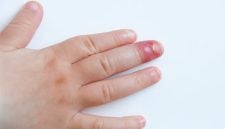
Pain and swelling that get worse, spreading redness, intense warmth, pus, fever, or feeling unwell suggest an infection.
During healing, wash your hands before touching the piercing, keep the area clean, and avoid twisting or unnecessarily handling the jewelry.
If you suspect an infection, do not remove the piercing on your own before being evaluated by a healthcare professional.
Piercings in the ear cartilage and mouth require special attention because they can cause more serious complications.
Healing time varies considerably depending on the location. It may take only a few weeks for the tongue or earlobe, but several months for cartilage, nipple, and navel piercings.
Seek medical attention if you develop progressively worsening pain or swelling, pus, fever, spreading redness, significant bleeding, or difficulty breathing or swallowing.
What are the risks of piercings?
For most people, getting a piercing does not lead to any major complications. However, because the procedure breaks the natural barrier of the skin or mucous membranes, it is not completely risk-free.
Possible complications include infection, bleeding, allergic reactions to the metal, abnormal scarring, keloid formation, trauma caused by the jewelry itself, and, depending on the pierced area, damage to the teeth, gums, cartilage, or other structures.
In a population-based study conducted in England, about 31% of piercings performed in people aged 16 to 24 at sites other than the earlobe were associated with some type of complication. Approximately 15% required professional evaluation, and less than 1% resulted in hospitalization. The most common problems were swelling, infection, and bleeding.
The skin is one of the body’s main defensive barriers. When we make a hole in the skin to place a piercing, we temporarily create an entry point for bacteria that normally live on the skin without causing disease.
To use an analogy, making a hole in the skin is like leaving the front door of your house open in a neighborhood full of thieves. Nothing may happen, but the risk is greater than if the door were locked.
The risk of complications depends on several factors, including the location of the piercing, the technique used, hygiene and sterilization conditions, the material of the jewelry, and care during the healing period.
Irritated or infected piercing: how can you tell the difference?
It is important not to confuse the normal inflammation associated with healing with an infection.
During the first few days after getting a piercing, mild redness, localized swelling, tenderness, and minor bleeding may occur. As healing progresses, itching and a small amount of whitish or slightly yellowish discharge may also occur, forming a small crust around the jewelry. When these findings are mild and gradually improve, they are part of the normal healing process.
The possibility of infection increases when signs such as the following appear:
- Pain that becomes more intense instead of improving.
- Increasing swelling.
- Redness that worsens or spreads to the surrounding skin.
- Significant warmth at the site.
- Thick, pus-like discharge.
- Foul-smelling discharge.
- Fever, chills, or feeling unwell.
- Abscess formation.
In these situations, medical evaluation is recommended, especially when the piercing is located in the ear cartilage or mouth.
If you suspect an infection, do not remove the jewelry on your own. In some cases, temporarily keeping the piercing in place allows the discharge to drain; in others, removal may be necessary. This decision should be made after medical evaluation.
How should you care for a piercing while it heals?
Certain measures can help reduce irritation and the risk of infection:
- Wash your hands thoroughly before touching the piercing.
- Gently clean the area with sterile saline solution, such as 0.9% sodium chloride.
- Do not twist, rotate, or move the jewelry while cleaning it.
- Avoid applying alcohol, hydrogen peroxide, iodine, or other irritating products to the wound.
- Do not apply antibiotic or corticosteroid ointments on your own.
- Avoid constant friction from clothing and trauma to the area.
- While the piercing is healing, avoid submerging it in swimming pools, hot tubs, lakes, the ocean, or other potentially contaminated water.
- Do not change the jewelry too early simply because the skin appears to have healed.
Piercings heal from the outside in. For this reason, the surface may look completely healed while deeper tissues are still fragile.
Ear piercings
Piercings that pass through the ear cartilage carry a higher risk of complications than those placed only in the earlobe.
Ear cartilage has no direct blood supply and depends on the surrounding perichondrium to receive oxygen and nutrients. For this reason, an infection in this area can be more difficult to control and may cause significant tissue damage.
Superficial skin infections around a piercing can cause cellulitis, usually due to bacteria such as Staphylococcus aureus and streptococci.
Piercings that pass through cartilage also carry a risk of perichondritis, an infection of the tissues surrounding the ear cartilage. In these cases, Pseudomonas aeruginosa is a particularly important cause of infection.
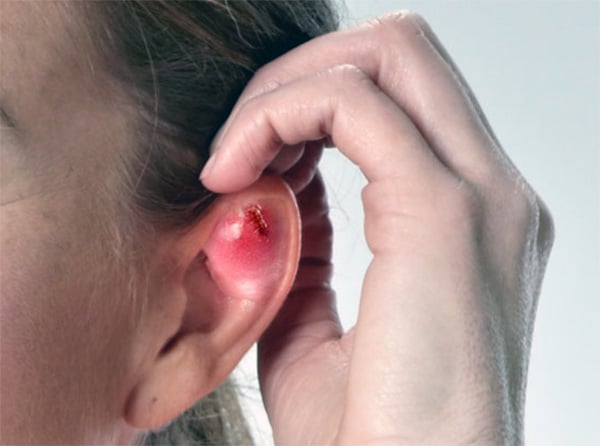
Perichondritis usually causes pain, redness, and swelling of the cartilaginous part of the ear, generally sparing the earlobe. If an abscess develops or the blood supply to the cartilage is compromised, tissue destruction and permanent ear deformity may occur.
For this reason, severe pain, redness, swelling, or discharge from a cartilage piercing should be evaluated by a doctor as soon as possible.
Treatment depends on the severity and may include antibiotics and, if pus has collected, drainage. Whether the piercing should be removed or temporarily left in place also depends on the medical evaluation.
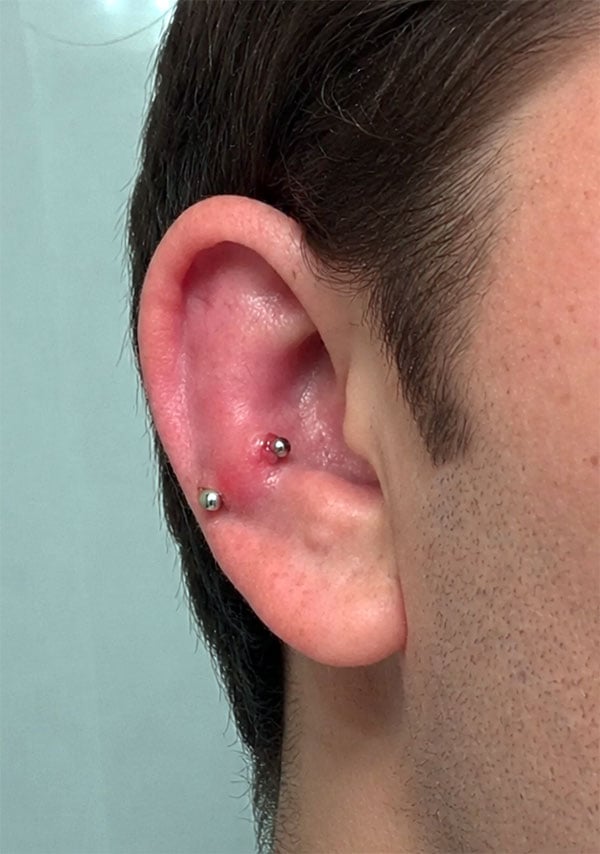
Another important precaution is to avoid using piercing guns on cartilage. In addition to causing more local trauma, many of these devices cannot be adequately sterilized.
Tongue and oral piercings
The tongue is another area that requires special attention. Unlike cartilage, it has an abundant blood supply and is located in a region naturally colonized by large numbers of bacteria.
Serious infections after tongue piercing are uncommon, but they can occur. In rare cases, bacteria can enter the bloodstream and cause infections elsewhere in the body, such as infective endocarditis.
Cases of brain abscess after tongue piercing have also been reported. In one case, a cerebellar abscess was diagnosed four weeks after a tongue piercing that had been complicated by a local infection. Based on the characteristics of the case and the absence of another source of infection, the authors considered the piercing the most likely source of the bacteria that reached the brain.
During the first few hours or days, tongue swelling can also be significant. Progressive tongue swelling accompanied by difficulty breathing or swallowing is a medical emergency.
However, with oral piercings, the most common problems are caused by repeated contact between the jewelry and the teeth and gums. Serious infections are much less common.
Possible complications include:
- Gum inflammation and recession.
- Bacterial plaque buildup on the part of the jewelry inside the mouth and on nearby teeth.
- Tooth wear, chipping, or fractures.
- Bleeding.
- Increased salivation.
- Injuries to the tongue and oral mucosa.
- Interference with chewing and swallowing.
- Changes in speech.
- Accidental aspiration or swallowing of the jewelry.
Some of these complications can cause permanent damage to the teeth or gums.
During the healing of an oral piercing, it is especially important to maintain good oral hygiene and avoid playing with the jewelry or hitting it against the teeth.
How long does a piercing take to heal?
The time required for complete healing varies according to the location of the piercing, the technique used, the material and size of the jewelry, aftercare, and individual healing characteristics.
As a general reference, approximate healing times are:
- Tongue and inside of the mouth: 3 to 6 weeks.
- Earlobe, eyebrow, and lip: about 6 to 8 weeks.
- Ear cartilage: 2 to 12 months (usually more than 6 months).
- Nostril: 2 to 8 months.
- Nipple: 6 to 12 months.
- Genital piercings: from a few weeks to several months, depending on the exact location.
- Navel: usually several months and sometimes about 9 months or longer.
These time frames are only estimates. Ongoing irritation, trauma, infection, smoking, and other factors can delay healing.
Keloids
Another possible complication of piercings is abnormal scar formation, particularly hypertrophic scars and keloids.
A keloid develops when scar tissue grows excessively and extends beyond the boundaries of the original wound. It may progressively enlarge, become bulky, and cause itching, pain, or a significant cosmetic change.
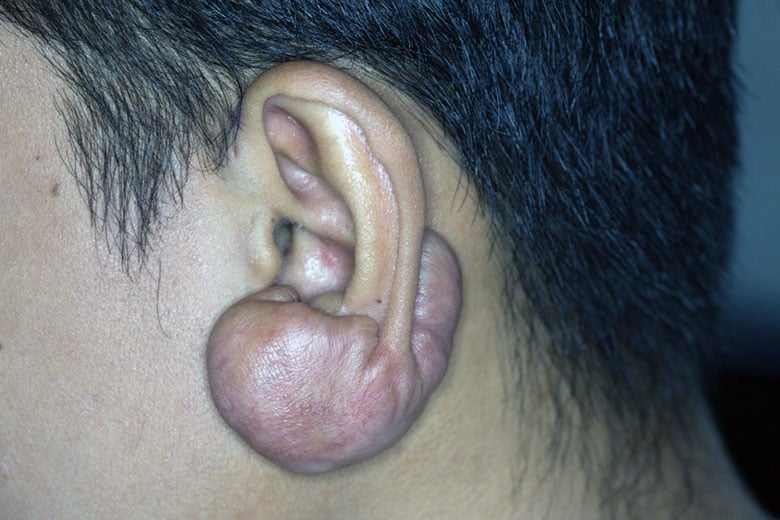
Not every “bump” that develops around a piercing is a keloid. Small nodules may be caused by local irritation, granulation tissue, a hypertrophic scar, or even a minor infection.
The distinction is important because these conditions require different treatments.
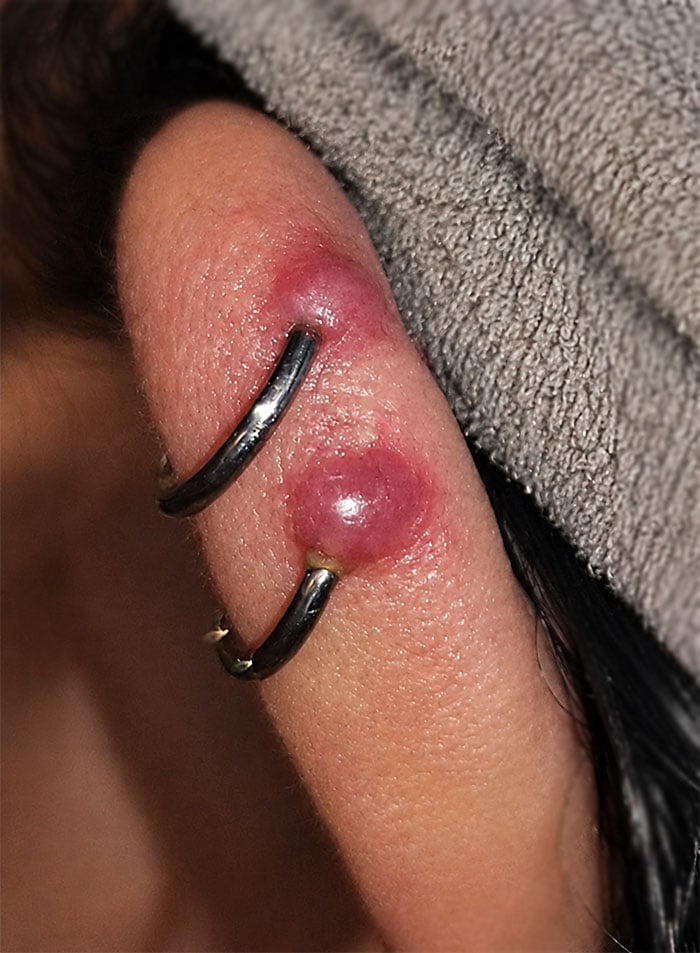
People who have previously developed keloids after other injuries, surgeries, or piercings have a higher risk of developing new ones and should consider this risk before getting another piercing.
Other complications
Other complications associated with piercings include:
- Contact dermatitis caused by the metal in the jewelry, particularly nickel.
- Persistent pain.
- Bleeding.
- Laceration or tearing of the skin when the jewelry catches on clothing or other objects.
- Piercing migration or rejection, in which the jewelry gradually moves closer to the surface of the skin.
- Jewelry becoming embedded in the skin due to swelling or improper sizing.
- Aspiration or swallowing of the jewelry.
- Gum infections and dental injuries from oral piercings.
- Paraphimosis and other complications from male genital piercings.
- Transmission of blood-borne infections when contaminated needles or instruments are reused or inadequately sterilized, such as hepatitis B, hepatitis C, or HIV.
To reduce the risk of allergic reactions, jewelry made from biocompatible materials should be preferred. Implant-grade titanium is one of the best options, especially for people who are sensitive to nickel. Implant-grade steel and solid gold that is 14 karats or higher may also be used, provided they are suitable for body jewelry; in the case of gold, the alloy should be free of nickel and cadmium.
How can you reduce the risk of complications?
Before getting a piercing, choose a professional piercing studio that follows appropriate hygiene and sterilization standards.
Needles should be sterile and single-use, and reusable instruments must be properly sterilized. The piercer should wash their hands, wear gloves, and properly prepare the skin before performing the piercing.
The quality and size of the jewelry are also important. Inappropriate jewelry can exert excessive pressure, become embedded during swelling, trigger an allergic reaction, or repeatedly traumatize the area.
After the procedure, follow proper hygiene measures throughout the healing period and avoid unnecessary handling of the piercing.
Serious complications are uncommon, but they can cause significant infections, tissue loss, deformities, or permanent injury.
Seek medical attention if you develop progressively worsening pain or swelling, pus, fever, spreading redness, significant bleeding, embedded jewelry, or any difficulty breathing or swallowing.
If you have a history of keloids, consult a dermatologist before getting a piercing.
- Body piercing in adolescents and young adults – UpToDate.
- Bone A, Ncube F, Nichols T, Noah ND. Body piercing in England: a survey of piercing at sites other than earlobe. BMJ. 2008;336:1426-1428.
- Holbrook J, Minocha J, Laumann A. Body piercing: complications and prevention of health risks. American Journal of Clinical Dermatology. 2012;13(1):1-17.
- American Dental Association. Oral Piercing/Jewelry.
- Offen E, Allison JR. Do oral piercings cause problems in the mouth? Evidence-Based Dentistry. 2022.
- Association of Professional Piercers. Jewelry for Initial Piercings; Aftercare.
- von Spreckelsen B, et al. Nickel Allergy and Piercings: A Systematic Review and Meta-Analysis. 2025.
- Sosin M, Weissler JM, Pulcrano M, Rodriguez ED. Transcartilaginous ear piercing and infectious complications: a systematic review and critical analysis of outcomes. Laryngoscope. 2015;125(8):1827-1834.
- Martinello RA, Cooney EL. Cerebellar brain abscess associated with tongue piercing. Clinical Infectious Diseases. 2003;36(2):e32-e34.








Reader questions about this topic
Questions selected by the editor for their relevance to this article.