

Hemorrhoids are classified as:
- Internal hemorrhoids: when they occur in the rectum (the final part of the large intestine).
- External hemorrhoids: when they occur in the anus.
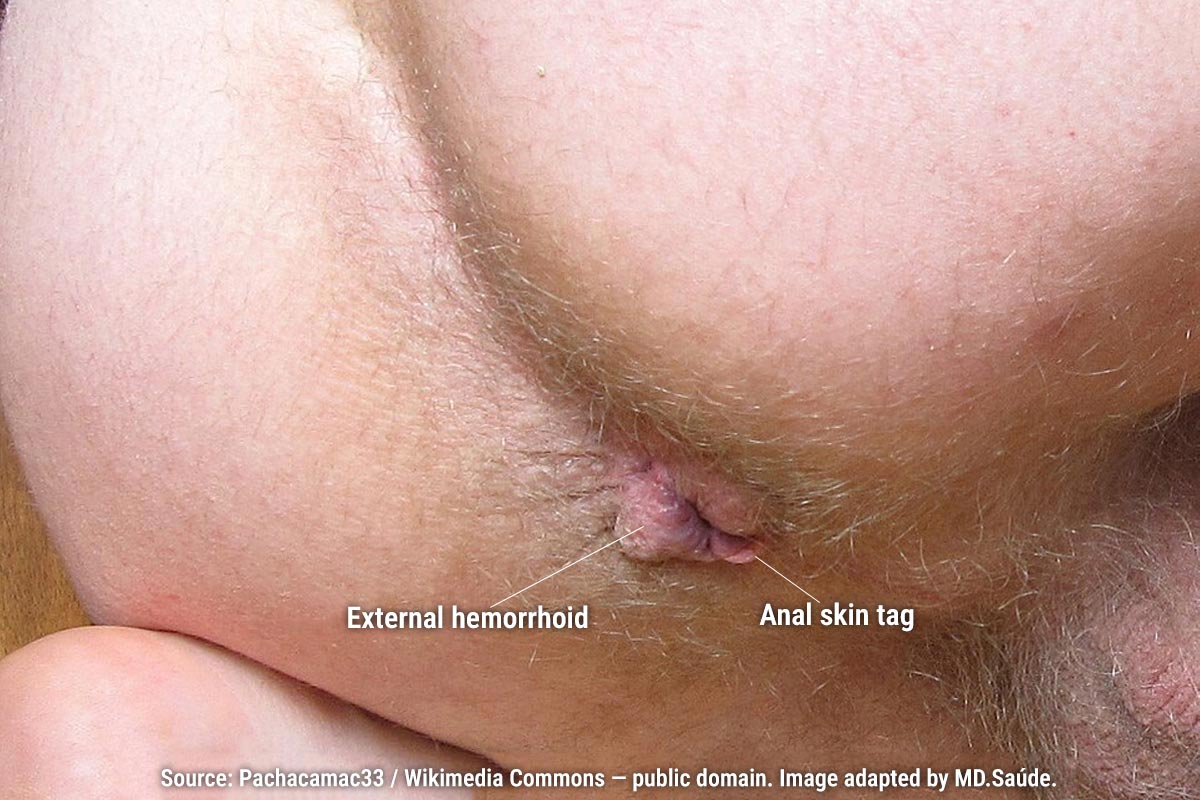
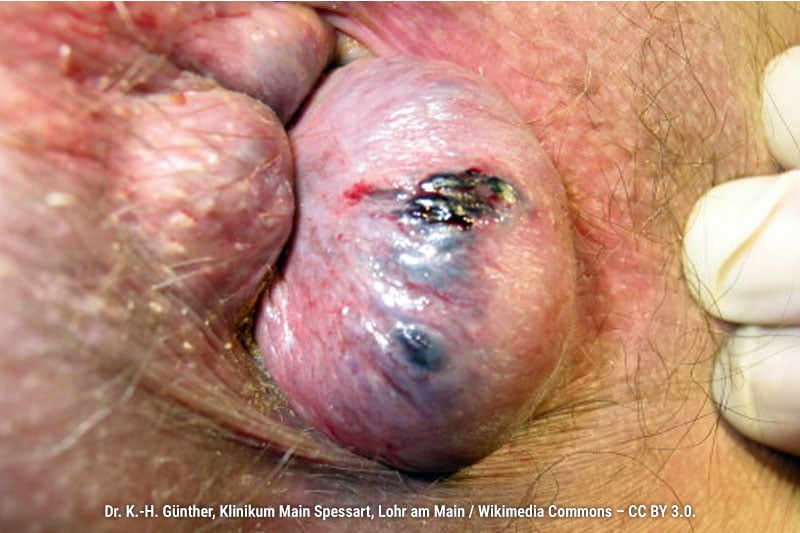
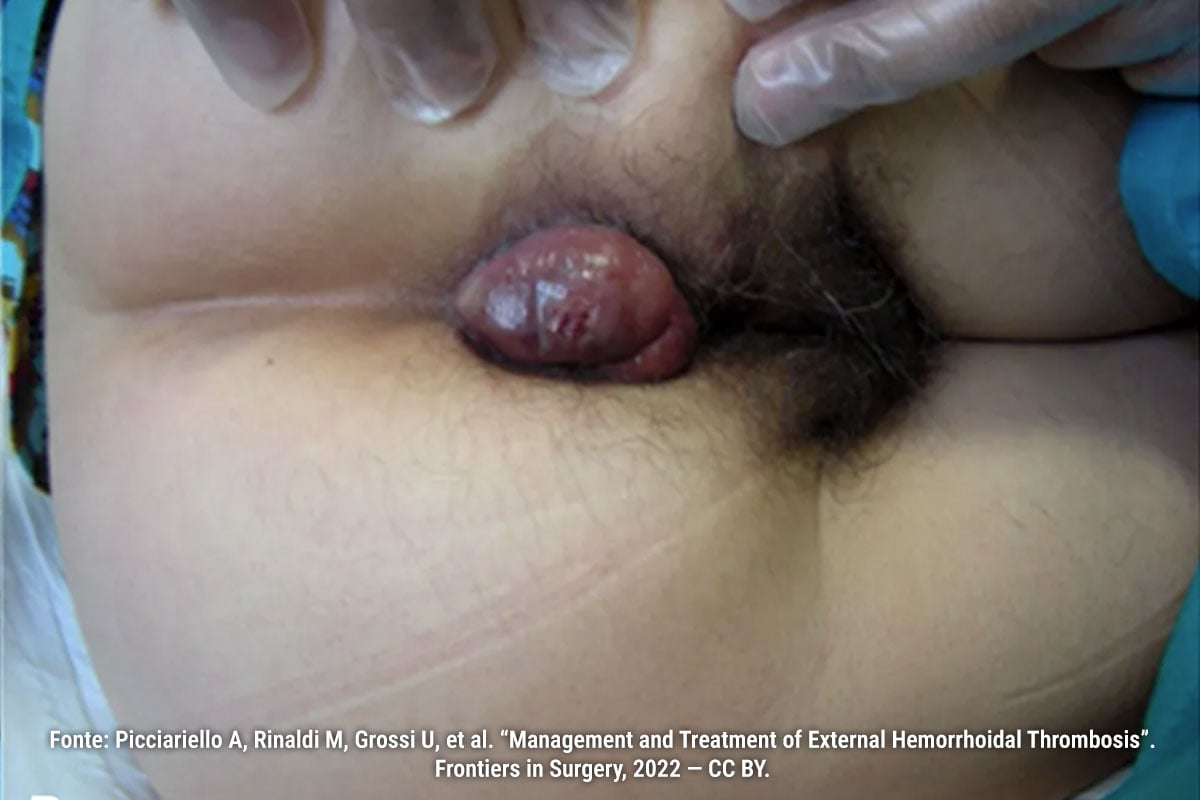
Pictures of external hemorrhoids
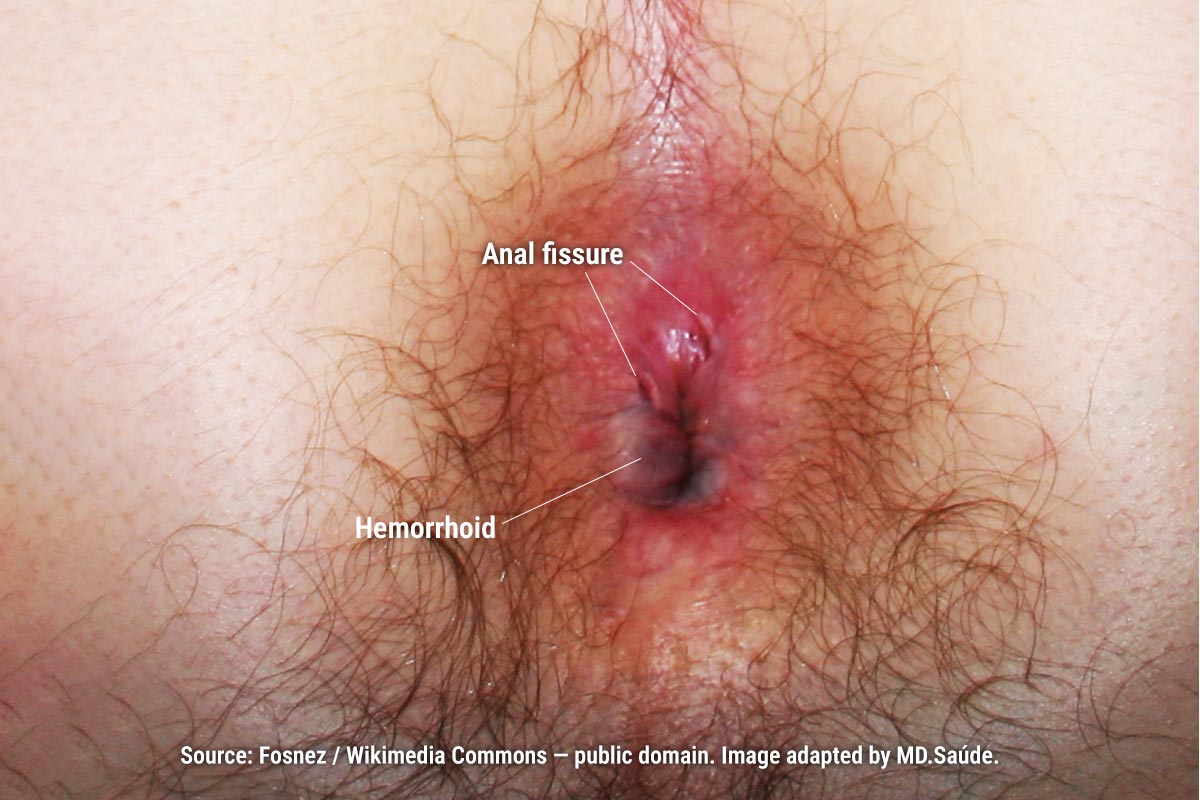
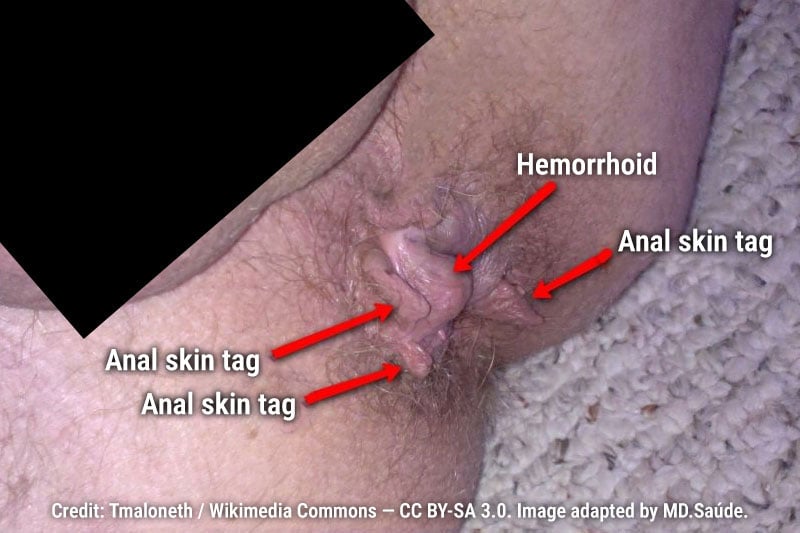
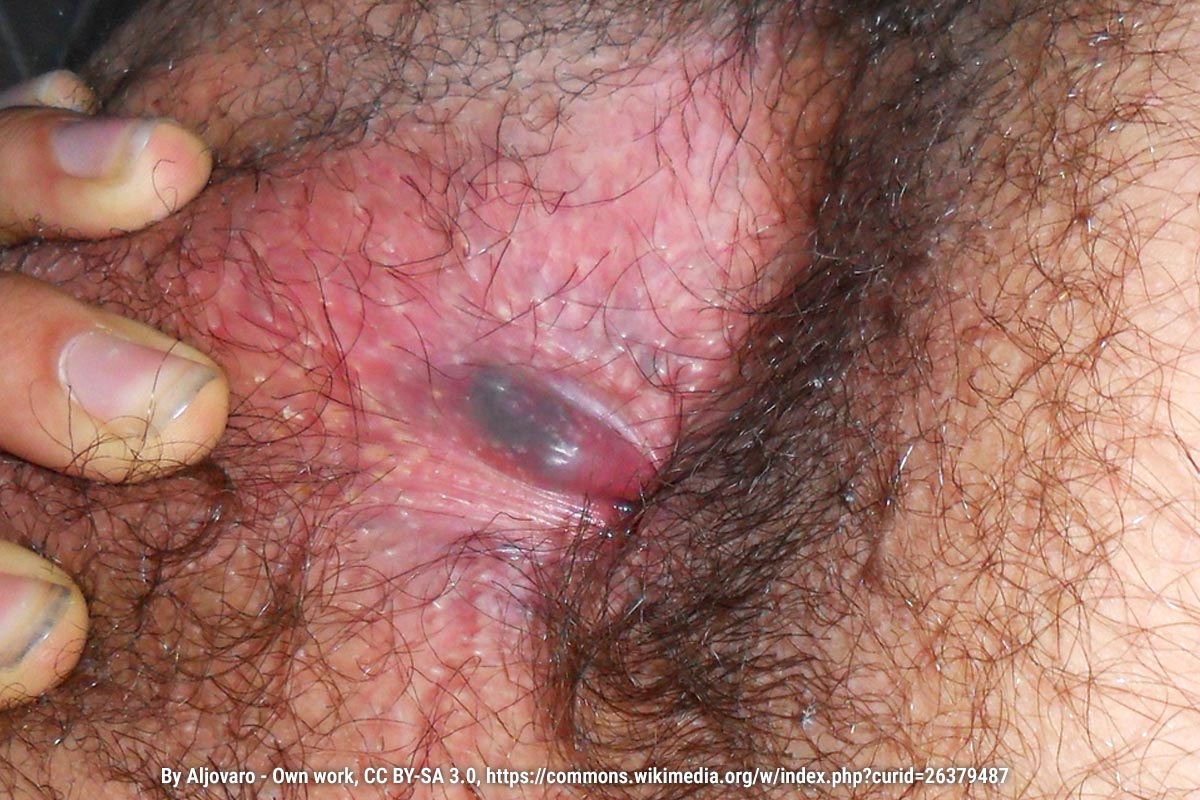
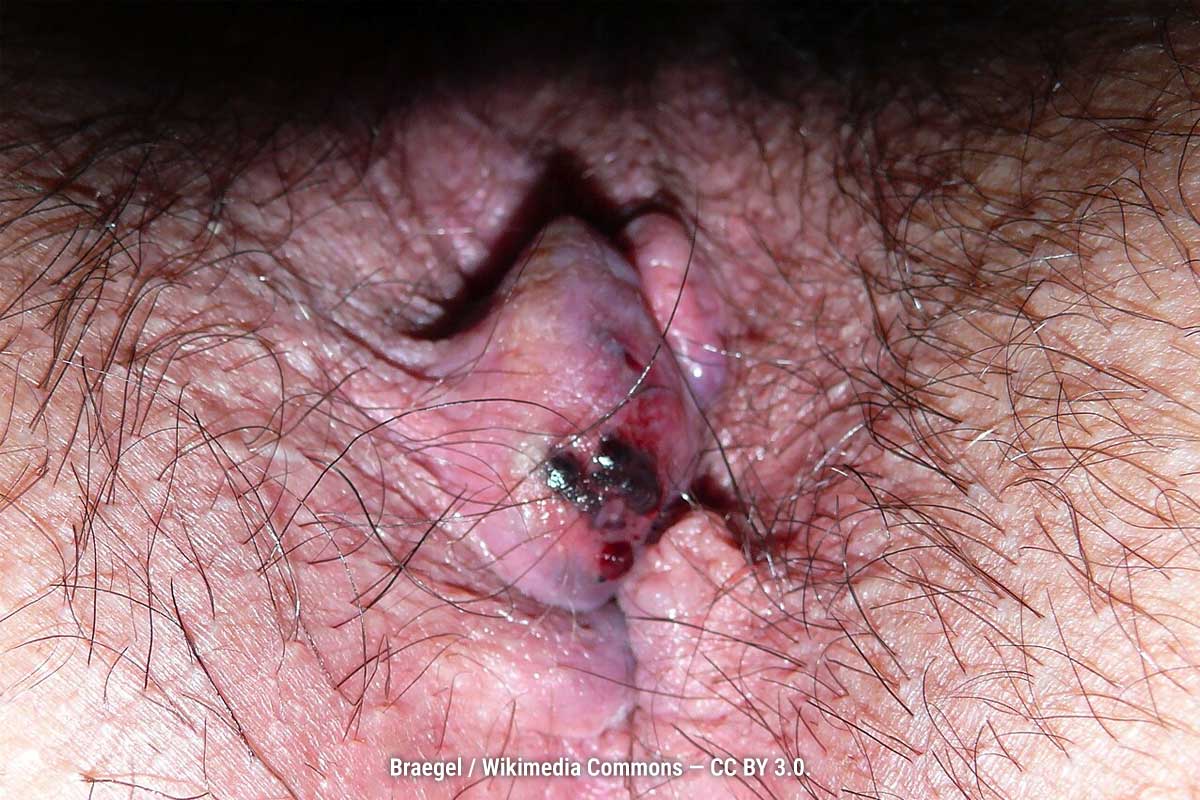
External hemorrhoids are usually easy to identify because they are located at the anal margin and can be seen directly during examination of the anal area.
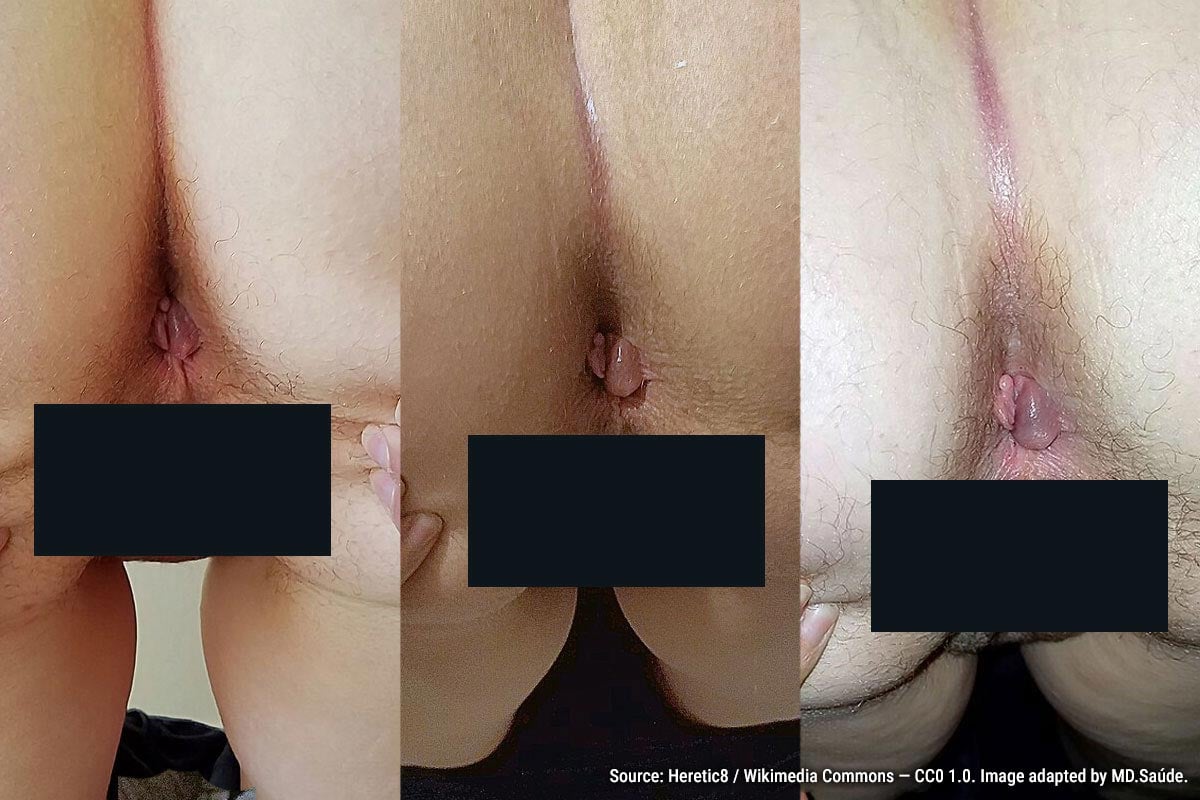
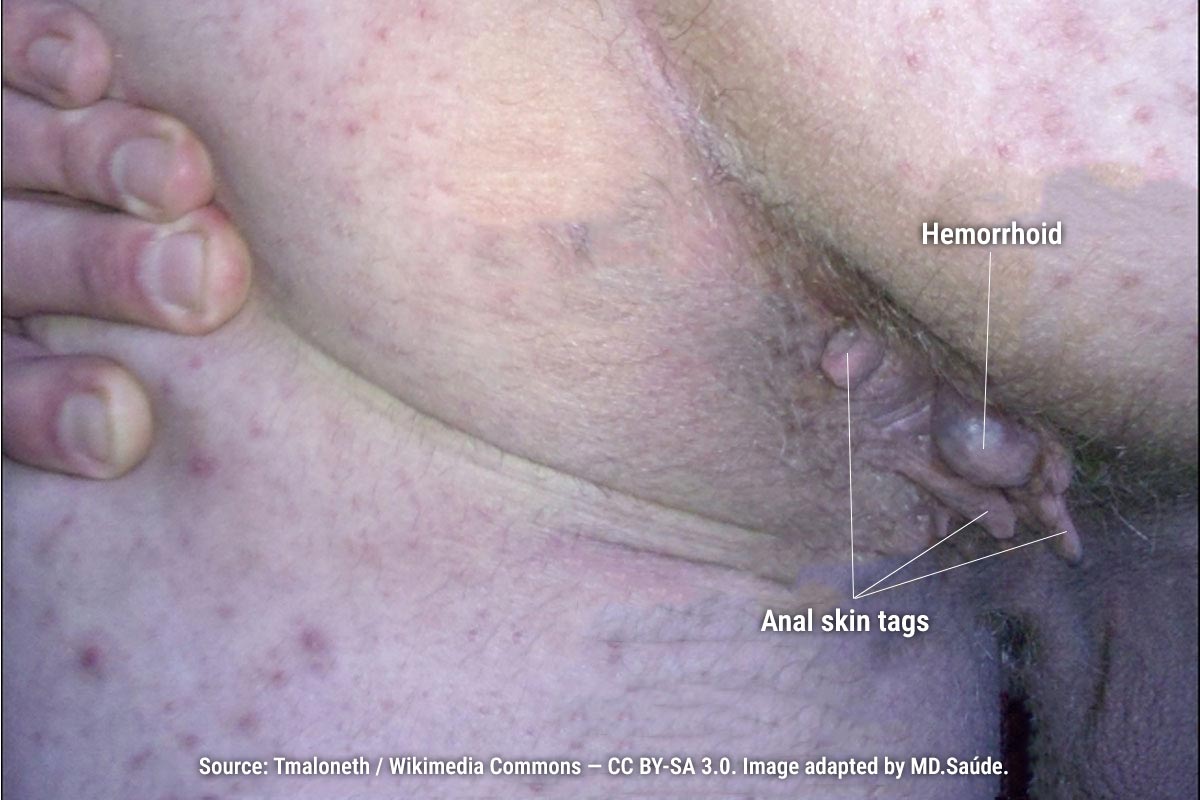
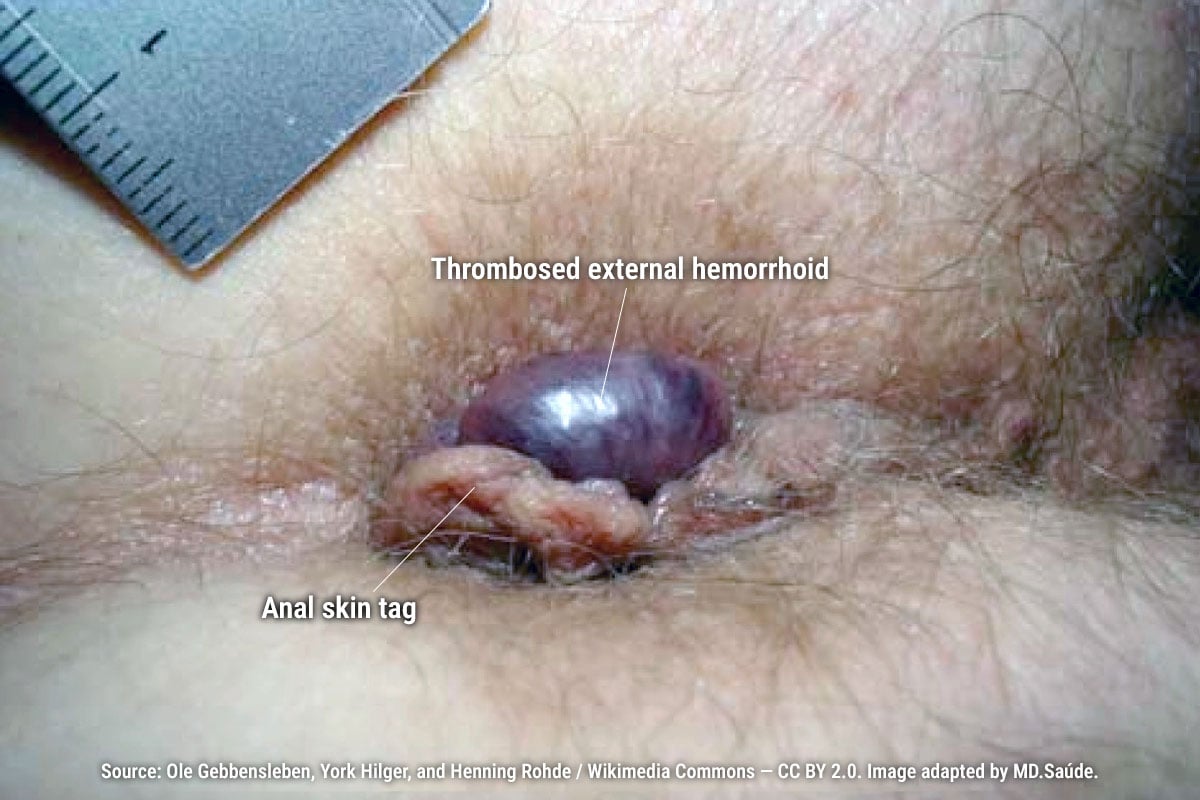
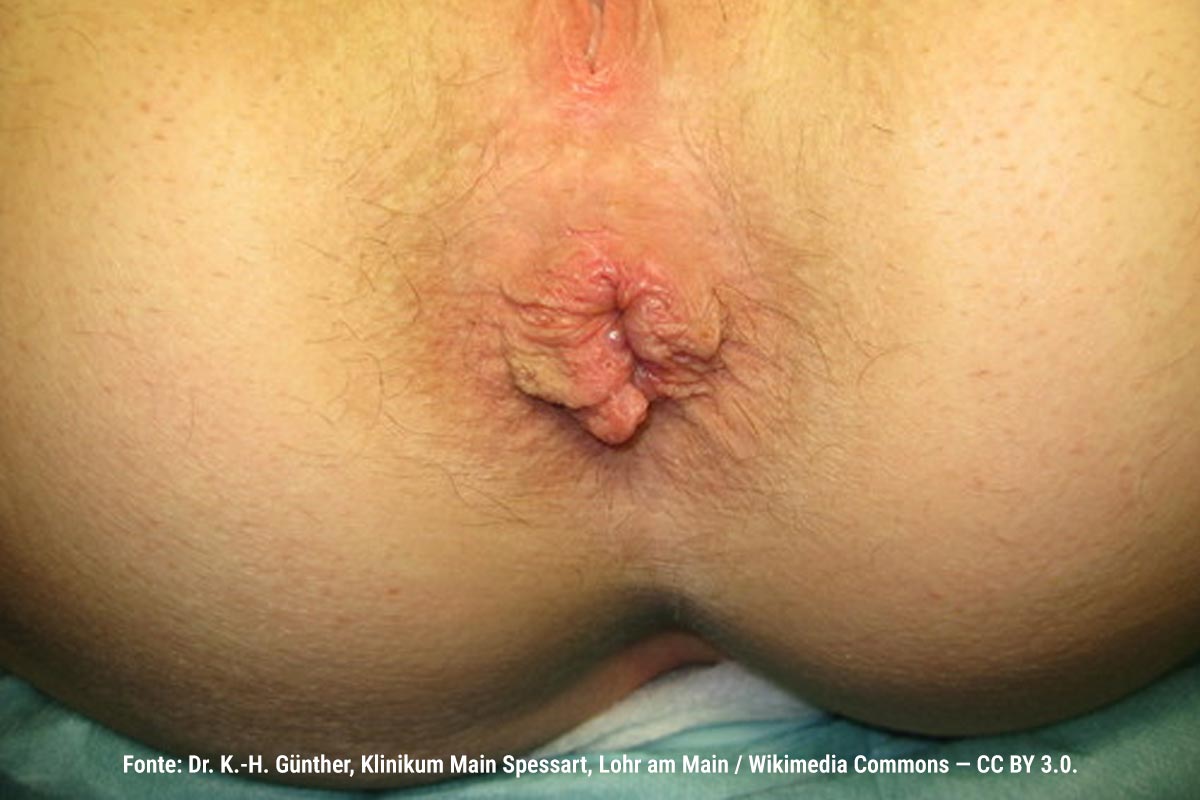
It is common for patients with hemorrhoids to have anal skin tags, also called perianal skin tags. These are folds of skin that remain at the anal margin, often as a result of previous episodes of external hemorrhoids or thrombosis after the local swelling has subsided. In general, they are benign, do not represent an active hemorrhoid, and do not cause pain or bleeding. However, when they are larger, they can make hygiene more difficult, trap moisture, and cause irritation or itching.
Pictures of internal hemorrhoids
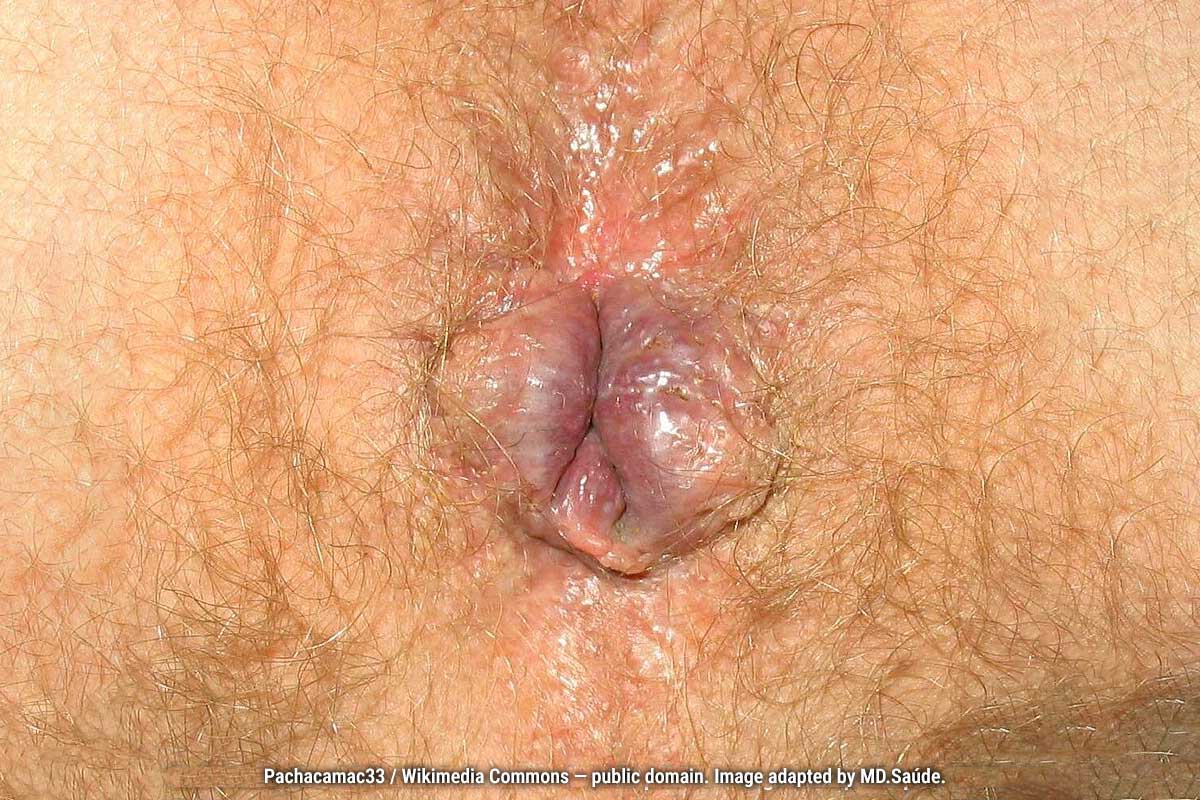
Internal hemorrhoids generally become visible during physical examination only when they prolapse, that is, when they protrude outside the anus. Otherwise, they remain inside the anal canal and cannot be seen externally.
Internal hemorrhoids are classified into four grades:
- Grade I internal hemorrhoids: do not prolapse through the anus.
- Grade II internal hemorrhoids: prolapse through the anus during a bowel movement but return spontaneously to their original position.
- Grade III internal hemorrhoids: prolapse through the anus and can only be reduced manually.
- Grade IV internal hemorrhoids: remain prolapsed through the anus and cannot be reduced.
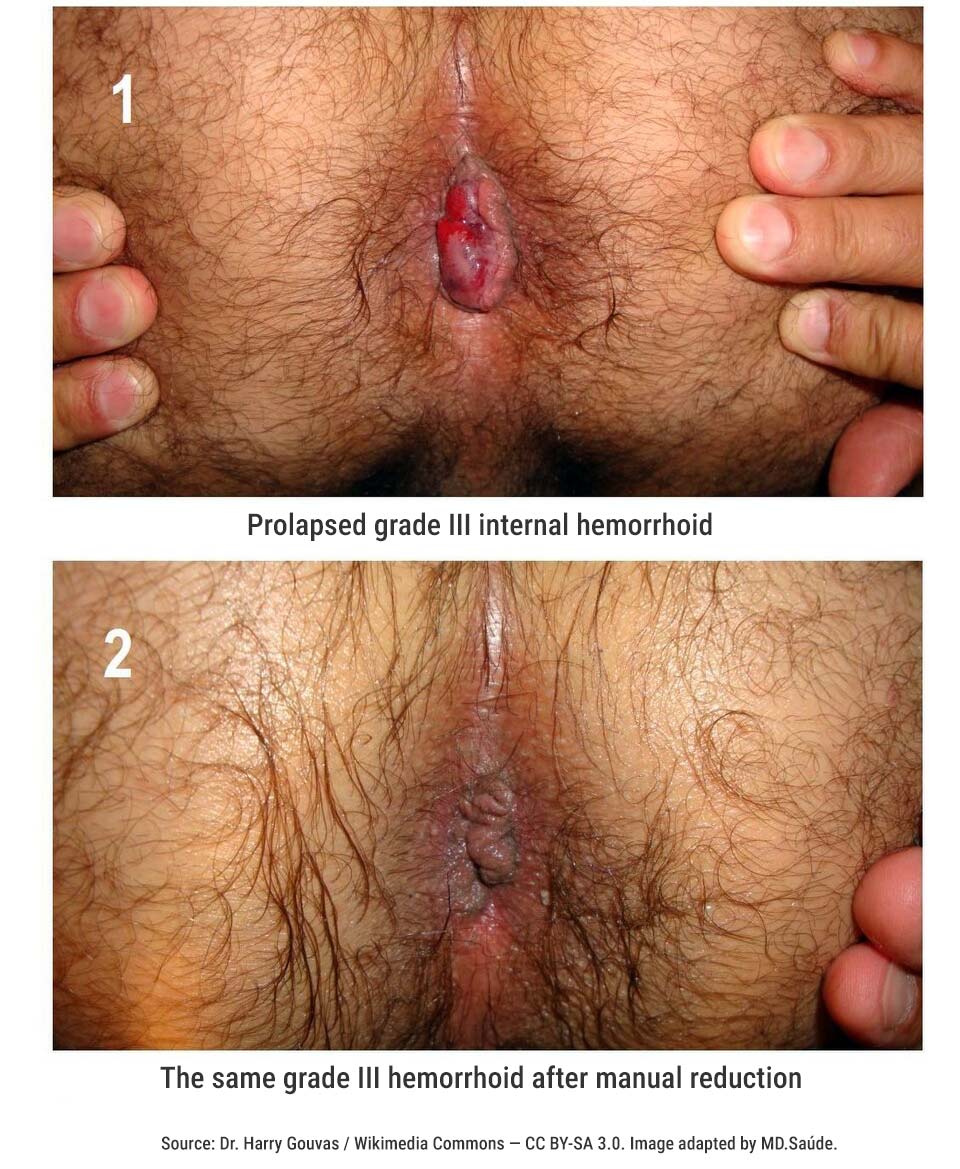
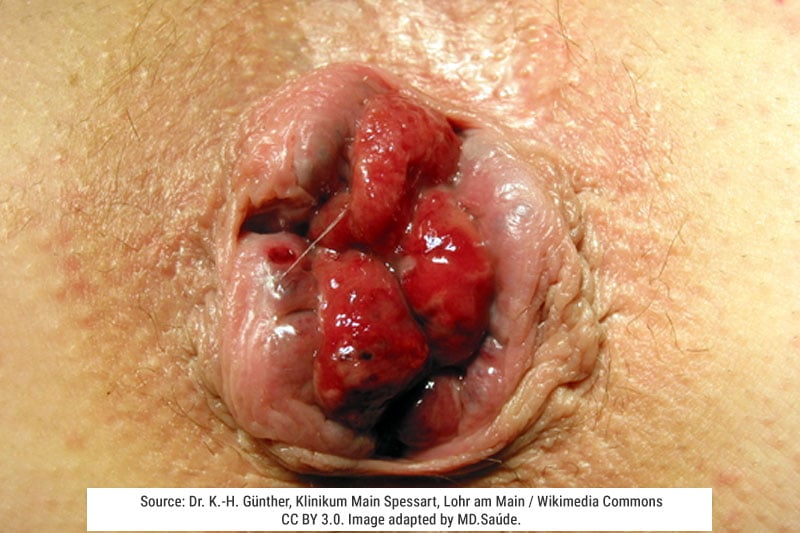
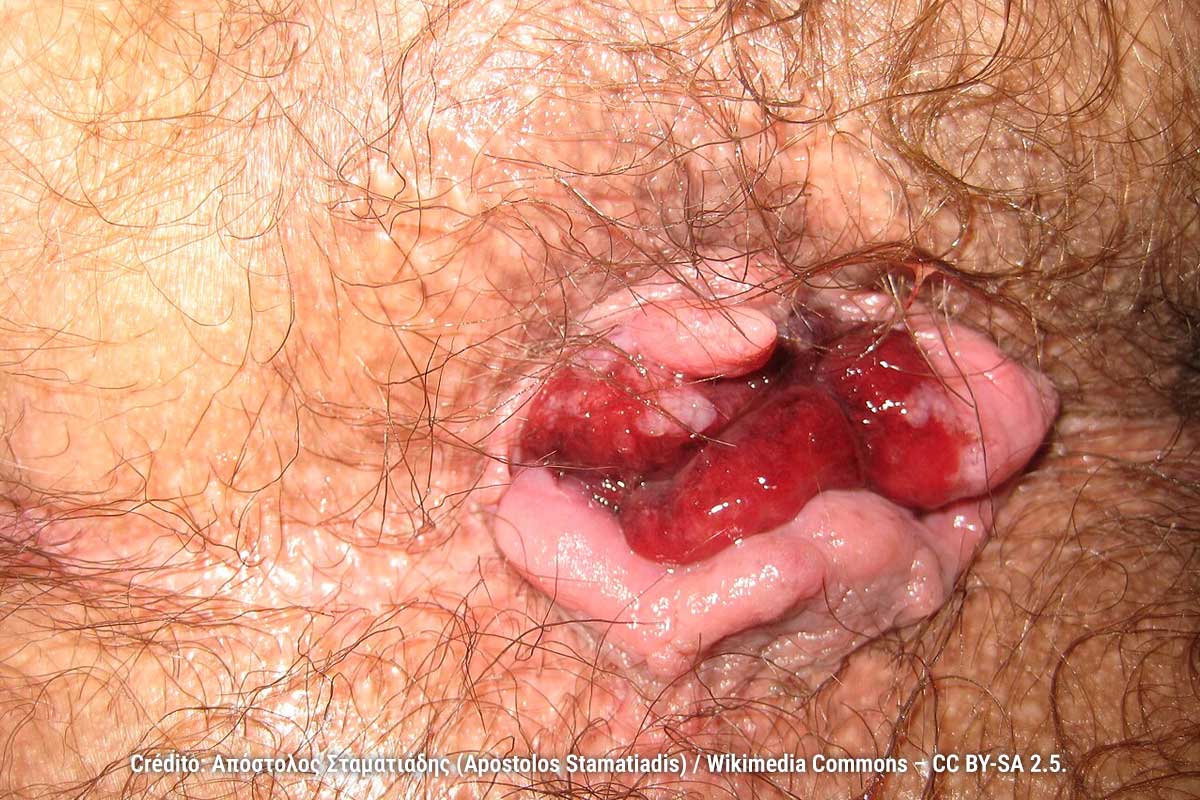
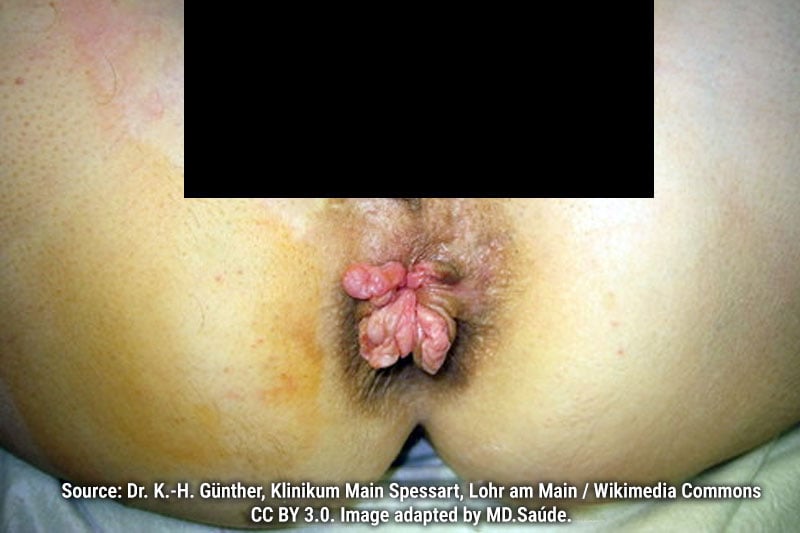
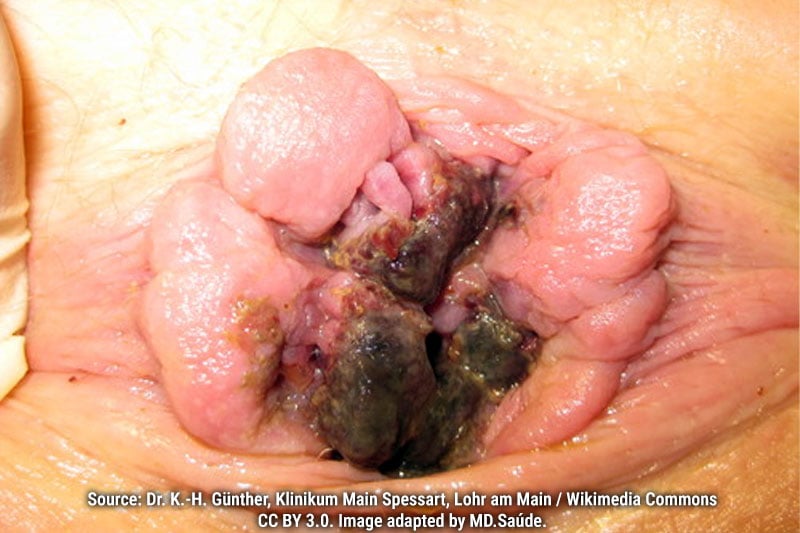
How to tell external and internal hemorrhoids apart
External hemorrhoids are located in the more superficial part of the anal canal and are covered by skin. For this reason, they usually look similar to the skin around the anus, forming bumps or nodules at the anal margin. When thrombosis occurs, they may become tense, painful, and bluish or purplish. After the swelling resolves, small folds of skin called anal skin tags may remain.
Internal hemorrhoids originate deeper inside the anal canal and are covered by mucosa. They are generally not visible externally unless they prolapse through the anus. When they protrude, they tend to look pinkish or reddish, moist, and mucosa-like, and they may bleed. In practice, however, appearance alone does not always allow the two types to be distinguished with certainty, especially when both internal and external components are present.
Because grade I internal hemorrhoids do not prolapse through the anus, they cannot be photographed without the aid of endoscopic instruments.
A simple way to tell them apart is to observe where the lesion appears to originate: if it is located at the anal margin and appears to be covered by skin, it is more likely to be an external hemorrhoid. If the tissue appears to come from inside the anal canal and protrudes mainly during a bowel movement or when straining, it is more likely to be a prolapsed internal hemorrhoid.
- Hemorrhoids – National Institutes of Health (NIH).
- Hemorrhoids – Medscape.
- Clinical practice: Hemorrhoids – New England Journal of Medicine.
- Hemorrhoids: Clinical manifestations and diagnosis – UpToDate.
- Shutterstock.
- Wikipedia.

![Pictures: Syphilis – All stages [Warning: Strong Images]](https://www.mdsaude.com/wp-content/uploads/sifilis-imagem-225x127.jpg)






Reader questions about this topic
Questions selected by the editor for their relevance to this article.